
- ✅ What PVC laminated gypsum ceiling tiles are made of
- ✅ Standard sizes & thickness options (2026)
- ✅ Price range per sq ft / per tile in India
- ✅ Key benefits: moisture, fire & sound resistance
- ✅ Best applications — home vs commercial spaces
- ✅ How to choose the right tile + 5 FAQs
PVC laminated gypsum ceiling tiles have become one of the most preferred false ceiling materials in India — combining the strength of gypsum board with the moisture resistance and easy maintenance of a PVC surface. From offices and hospitals to kitchens and bathrooms, these tiles are widely chosen wherever durability and a clean finish matter. In this guide, we break down everything you need to know — material composition, sizes, pricing, and where these tiles work best — so you can make an informed choice for your project.
What Are PVC Laminated Gypsum Ceiling Tiles?
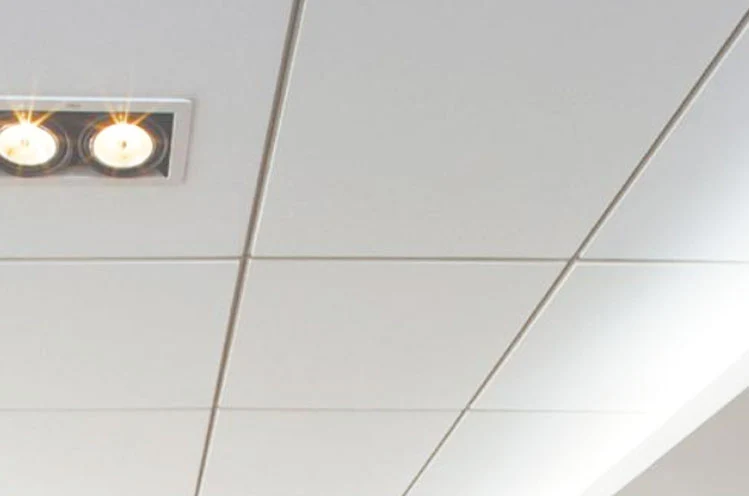
A PVC laminated gypsum ceiling tile is built from a high-quality, paper-faced gypsum board core, finished on the visible surface with a thin layer of PVC (polyvinyl chloride) film. Most tiles also carry an aluminium foil backing on the reverse side, which improves moisture resistance and adds a layer of thermal insulation.
This combination gives you the best of both materials: the fire resistance and sound-absorbing properties of gypsum, plus the water resistance, easy cleaning, and design flexibility of PVC. Unlike plain gypsum board, these tiles do not need to be painted after installation — the PVC layer comes ready-finished in plain colours, textures, or printed patterns.
Standard Sizes & Thickness
PVC laminated gypsum ceiling tiles are manufactured in standard sizes to fit common suspended grid systems used across India:
| Specification | Common Range |
|---|---|
| Tile Size | 595×595mm, 600×600mm, 600×1200mm |
| Thickness | 7mm to 12.5mm (9mm & 12mm most common) |
| Core Material | Paper-faced gypsum board |
| Surface Finish | PVC film — plain, textured, or printed |
| Backing | Aluminium foil (moisture & heat barrier) |
| Edge Type | Square edge or lay-in tegular |
PVC Laminated Gypsum Ceiling Tiles — Price in India (2026)
Prices vary based on tile thickness, size, design, and the supplier’s location, but here is a general price range seen across the Indian market:
| Tile Type | Approx. Price Range |
|---|---|
| Standard plain PVC laminated tile (9mm) | ₹70 – ₹120 per sq ft |
| Printed/textured design tile | ₹100 – ₹160 per sq ft |
| Grid & suspension system (extra) | ₹40 – ₹80 per sq ft |
| Installation/labour (extra) | ₹25 – ₹45 per sq ft |
Note: Prices vary by city, brand, and order quantity. Contact Gypstar for a customised quote based on your project size.
Key Benefits of PVC Laminated Gypsum Ceiling Tiles
- Moisture Resistant: The PVC surface resists humidity, making it ideal for kitchens, bathrooms, and coastal regions.
- Fire Safety: The non-combustible gypsum core meets fire safety standards required for commercial buildings.
- Easy to Clean: The smooth PVC surface can be wiped clean with a damp cloth — no repainting needed.
- Sound Absorption: Helps reduce echo and noise in offices, hospitals, and public spaces.
- Lightweight & Easy Installation: Fits standard T-grid suspension systems, reducing installation time and labour cost.
- Design Variety: Available in plain, textured, and printed finishes to match any interior style.
Best Applications
PVC laminated gypsum ceiling tiles are used across a wide range of spaces:
- Residential: Kitchens, bathrooms, balconies, and basements where moisture resistance matters.
- Commercial: Offices, retail stores, banks, and corporate buildings needing a clean, low-maintenance finish.
- Institutional: Hospitals, schools, and dust-free rooms that require hygienic, easy-to-clean surfaces.
- Hospitality: Hotels, restaurants, and shopping malls where both aesthetics and durability are important.
How to Choose the Right PVC Laminated Gypsum Ceiling Tile
- Match thickness to application: Thicker tiles (12mm+) offer better durability and acoustic performance for commercial spaces.
- Check moisture rating: For kitchens and bathrooms, confirm the tile’s humidity resistance specifications.
- Verify grid compatibility: Ensure the tile size matches your existing or planned T-grid suspension system.
- Compare fire ratings: For commercial and institutional projects, confirm compliance with fire safety codes.
- Buy from a manufacturer, not just a trader: This ensures consistent quality and proper after-sales support.
At Gypstar India, our PVC laminated gypsum ceiling tiles are manufactured under strict quality control, offering the right balance of durability, design, and pricing for both residential and commercial projects across India.
Looking for high-quality PVC laminated gypsum ceiling tiles for your project? Contact Gypstar today for pricing and samples, or explore our full product range.
- Fire Safety: The non-combustible gypsum core meets fire safety standards required for commercial buildings, in line with BIS (Bureau of Indian Standards) guidelines for building materials.
Frequently Asked Questions
1. What is the difference between PVC laminated gypsum tiles and plain gypsum board?
Plain gypsum board needs to be painted after installation and is more vulnerable to moisture, while PVC laminated tiles come with a ready-finished, moisture-resistant surface that doesn’t require painting.
2. Are PVC laminated gypsum ceiling tiles waterproof?
They are moisture-resistant rather than fully waterproof. They perform well in humid areas like kitchens and bathrooms but are not designed for direct water contact.
3. What is the standard size of PVC laminated gypsum ceiling tiles?
The most common sizes are 595×595mm and 600×600mm, designed to fit standard suspended T-grid ceiling systems.
4. Can PVC laminated gypsum tiles be used in residential homes?
Yes. They are increasingly popular in homes, especially in kitchens, bathrooms, and basements, due to their moisture resistance and low maintenance.
5. How long do PVC laminated gypsum ceiling tiles last?
With proper installation and standard maintenance, these tiles typically last 10–15 years without sagging, warping, or discoloration.